Writting Story: A Handwritten Font for Web Design
A Beautiful Addition to Your Digital Toolkit
As a web designer, I understand the importance of typography in shaping the user experience. Every font choice contributes to the overall aesthetic, readability, and emotional tone of a digital project. Writting Story is a handwritten font that brings warmth, personality, and charm to any design. Its sweet and friendly style makes it an excellent choice for projects where a touch of elegance and approachability is needed.
The Visual Personality of Writting Story
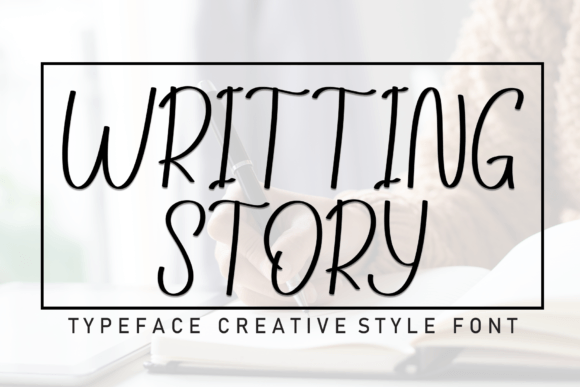
Writting Story has a soft, flowing script that feels both modern and nostalgic. The characters are well-proportioned and maintain clarity even at smaller sizes. This font is designed with a gentle curve and consistent spacing, which helps it read smoothly on screen. It’s not just visually appealing—it also supports readability, making it a versatile option for various design applications.
Its handwritten nature adds a personal touch, ideal for creative brands or businesses that want to convey a sense of authenticity. Whether you're designing a wedding invitation or a product landing page, Writting Story can help your message feel more intimate and engaging.
Where to Use Writting Story in Web Design
Writting Story shines in areas where a decorative yet readable font is needed. It works beautifully as a hero title, section heading, or call-to-action button. For example, on a boutique online store, using Writting Story for the shop name can immediately communicate the brand's personality and create a welcoming atmosphere.
It also pairs well with simpler sans-serif fonts for body text, creating a balanced contrast. On a blog header, Writting Story can serve as a bold statement while keeping the rest of the content clean and easy to read. In digital ads or social media graphics, this font adds visual interest without overwhelming the viewer.
- Hero Sections: Use Writting Story for large, attention-grabbing titles.
- Call-to-Action Buttons: Its friendly style encourages clicks and engagement.
- Logo Text: Perfect for small businesses or creative studios looking for a unique brand identity.
- Supporting Typography: Add subtle accents to headers or footers for visual rhythm.
Readability and Usability Considerations
When selecting a font for web use, readability is key. Writting Story performs well across different screen sizes and backgrounds. However, it's important to test its legibility on mobile devices, especially when used in small buttons or on dark backgrounds. Pairing it with a clear sans-serif font for body copy ensures that the text remains accessible and scannable.
For optimal performance, consider using webfont services like Google Fonts or Adobe Fonts to ensure fast loading times and cross-browser compatibility. Always check the included styles, weights, and alternates to see what options are available for your specific project needs.
Font Pairing for Web Design
Font pairing is a crucial aspect of web design, and Writting Story offers great flexibility in this regard. When paired with a simple sans-serif font like Montserrat or Lato, it creates a harmonious balance between decorative and functional typography. This combination is ideal for editorial-style websites or blogs that aim to blend creativity with readability.
If you're building a more formal website, consider pairing Writting Story with a serif font for a refined look. Alternatively, use it alongside a geometric sans-serif font for a modern, stylish appearance. Experimenting with different pairings can help you find the perfect match for your brand’s voice and visual goals.
Enhancing Brand Identity with Writting Story
Typography plays a significant role in brand identity. Writting Story can help reinforce your brand’s personality and values. For instance, a creative portfolio site can benefit from using this font for headings and taglines, giving it a handcrafted, artistic feel. Similarly, a coaching website can use Writting Story to create a warm and inviting atmosphere that resonates with its target audience.
Whether you're working on a course sales page, a digital brand kit, or a social media graphic, Writting Story adds a unique character that sets your design apart. It’s a great tool for creating a cohesive and memorable brand experience across all digital platforms.
Practical Tips for Using Writting Story
Before implementing Writting Story in your project, make sure you have the appropriate license for commercial use. Most premium fonts come with licensing agreements that allow use on websites, landing pages, and other digital assets. Check if the font includes support for multiple languages, weights, and file formats to ensure compatibility with your design workflow.
Also, be mindful of how the font looks in different contexts. Avoid overusing it in body text, as it can reduce readability. Instead, use it strategically to highlight key elements and enhance the visual hierarchy of your layout.
Finally, always test your designs on various devices and screen sizes to ensure that the font performs well in all environments. With proper planning and thoughtful application, Writting Story can become a valuable asset in your digital design toolkit.