Collagen: A Versatile Handwritten Font for Branding
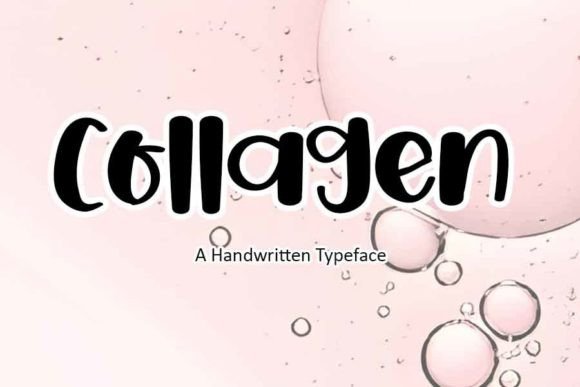
There’s a certain magic that happens when you open a blank brand board and start sketching out ideas. For me, it’s always the font choice that sets the tone. Recently, I found myself staring at a fresh canvas for a boutique identity project, and I decided to test Collagen—a handwritten font that promises both charm and adaptability. Let me take you through my experience with it in real-world design scenarios.
A Joyful Start on the Brand Board
The first time I used Collagen was for a boutique logo concept. The client wanted something elegant yet approachable, something that felt personal but still professional. As I sketched out a few rough ideas, I thought about how a handwritten font could add warmth without being too casual. Collagen struck me as the perfect fit. Its simple, joyful strokes felt like a hand-written note from a friend, which aligned perfectly with the boutique’s vibe.
I tested it against a few other fonts, including some classic script options and modern sans serifs. While the others had their strengths, Collagen stood out for its balance of playfulness and readability. It wasn’t too ornate, and it didn’t feel like it would overwhelm the design. That adaptability is one of its greatest assets.
From Logo to Packaging: Testing Collagen in Real Projects
After settling on Collagen for the logo, I moved on to the brand board. I used it for headlines, taglines, and even some supporting text. On a business card mockup, it looked clean and inviting. When applied to packaging, it added a touch of personality without overpowering the product. I especially liked how it worked on a bakery label—its soft curves made the design feel warm and welcoming.
I also experimented with Collagen on social media graphics. Whether it was a Facebook post or an Instagram layout, the font held up well. It was clear enough to read on small screens, and its friendly style matched the brand’s voice. One thing I noticed was that it performed best when used in short phrases or headings rather than long body text. That’s not a limitation—it’s just a reminder of where Collagen shines best.
Font Pairing and Design Flexibility
One of the things I appreciate most about Collagen is its versatility. It can work as a headline font, a logo font, or even an accent font in a larger type system. I paired it with a clean sans serif font for a creative studio identity, and the contrast was striking. The Collagen added character while the sans serif provided structure.
For a skincare product brand, I used Collagen as a display font on the hero section of their website. It looked beautiful against a minimalist background, and it helped convey a sense of natural beauty. In editorial design, I found it useful for headers and subheadings, where it added a touch of elegance without being too formal.
If you’re looking for a font that can transition from print to digital seamlessly, Collagen is worth considering. It has good webfont availability and supports multiple languages, making it a great choice for international projects. However, I’d recommend testing it in different contexts before committing to it for large-scale use.
When to Use Collagen—and When Not To
Collagen isn’t a one-size-fits-all solution. It works best in projects where personality and visual interest are key. If you’re designing for a corporate client that requires a more formal look, Collagen might not be the best choice. Similarly, if you’re working on a website that requires long body text, you’ll want to pair it with a more readable typeface.
That said, there are plenty of situations where Collagen will excel. It’s ideal for logos, branding materials, social media content, and any design that benefits from a handwritten touch. Just remember to use it strategically—let it shine where it can make the most impact.
Final Notes on Using Collagen in Client Work
Before using Collagen in final client work, I always recommend testing it in various formats and sizes. Print-on-demand products, websites, and branded merchandise all require different considerations. Also, don’t forget to check the commercial font licensing terms. Some fonts come with restrictions, and Collagen is no exception.
In summary, Collagen is a fantastic addition to any designer’s toolkit. It brings a unique personality to your designs while remaining adaptable and versatile. Whether you’re working on a boutique identity, a café refresh, or a handmade shop branding project, Collagen has the potential to elevate your work in meaningful ways. Just remember to use it wisely and always prioritize readability and consistency in your design choices.